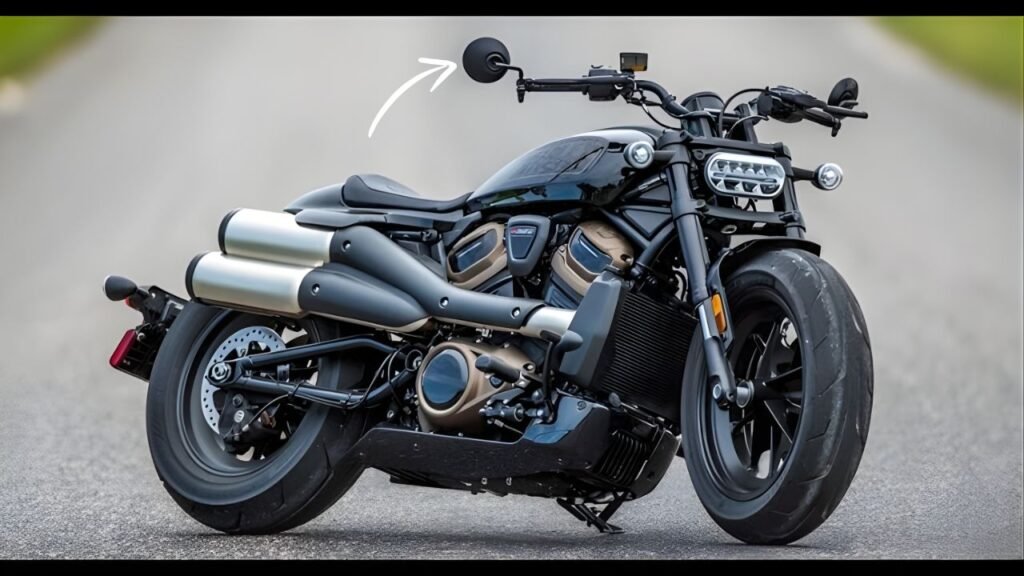
Harley-Davidson has unveiled its 2026 motorcycle lineup, and the update signals a clear shift in strategy. This isn’t just about refining existing bikes—it’s about expanding appeal while staying rooted in the brand’s unmistakable identity.
What makes this release stand out is its timing. As new riders enter the market and expectations around performance and technology evolve, Harley-Davidson is responding with a broader, more accessible range that still delivers the character long-time enthusiasts expect.
A Sharper Design Approach Across the Range
Touring Models Get Subtle but Effective Updates
The touring lineup retains its iconic silhouette, but the changes are more than cosmetic. Updated fairings improve airflow and long-distance comfort, while revised lighting elements bring a cleaner, more modern look.
New paint finishes also add depth and visual appeal, giving these bikes a premium feel straight from the factory without requiring aftermarket customization.
Cruisers Stay Authentic, Now More Refined
The cruiser segment continues to emphasize bold, mechanical styling. Models such as the Street Bob and Fat Boy maintain their low-slung stance and muscular proportions, but now feature improved finishes and more refined ergonomics.
These updates make everyday riding more comfortable while preserving the raw, unmistakable Harley presence.
Performance Upgrades That Matter on the Road
Milwaukee-Eight Engine Gets Smarter
At the core of many 2026 models is the Milwaukee-Eight 117 engine, now tuned for smoother power delivery and stronger low-end response. This translates into easier acceleration, especially in real-world riding conditions like overtaking or highway cruising.
Select touring models also introduce variable valve timing, improving efficiency and making power delivery more adaptable across different speeds.
Revolution Max Expands Capability
Harley-Davidson continues to build on its Revolution Max platform, which powers its more performance-oriented bikes. This engine setup delivers quicker throttle response and reduced vibration, offering a more dynamic ride.
It also broadens the brand’s appeal, attracting riders who want agility and versatility beyond traditional cruiser dynamics.
Comfort and Practicality Take Priority
Long-Distance Riding Gets Easier
Touring models receive meaningful upgrades aimed at comfort. Improved seat design, enhanced wind protection, and better passenger accommodations make long rides less tiring.
Higher trims add features such as heated seating and integrated storage, reinforcing their role as serious long-distance machines.
Better Everyday Usability
Across the lineup, ergonomics have been refined. Seating positions feel more natural, suspension tuning is more forgiving, and overall ride quality is noticeably smoother.
These changes make the bikes more practical not just for weekend trips, but also for regular commuting.
Technology Moves the Experience Forward
Updated Infotainment System
The latest infotainment platform introduces a cleaner interface and faster response times. Navigation, ride data, and media controls are easier to access, even on the move.
Larger displays and improved connectivity ensure riders stay informed without unnecessary complexity.
Expanded Rider Assistance Features
Safety technology is now more widely available across the lineup. Features such as traction control, cornering ABS, and selectable ride modes enhance stability and confidence in varying conditions.
These systems work quietly in the background, supporting the rider without interfering with the overall experience.
Key Highlights at a Glance
| Feature Category | What’s New |
|---|---|
| Engine | Updated Milwaukee-Eight 117, variable valve timing on select models |
| Design | Refined fairings, modern lighting, new paint finishes |
| Comfort | Improved seating, better suspension tuning |
| Technology | Updated infotainment system, enhanced connectivity |
| Safety | Traction control, cornering ABS, ride modes |
| Entry Price | Starts around $4,590 for select lightweight models |
Why This Lineup Matters Now
Harley-Davidson’s 2026 strategy reflects a broader shift in the motorcycle market. Riders are no longer choosing between heritage and usability—they expect both.
By lowering the entry point while improving performance and comfort across the board, the brand is opening itself to a new generation without alienating its core audience.
This approach also makes the lineup more relevant for daily riders. Whether commuting, touring, or weekend cruising, the bikes are better equipped to handle a wider range of real-world scenarios.
Final Verdict
The 2026 Harley-Davidson lineup delivers a more balanced and thoughtful approach to modern motorcycling. It enhances performance where it matters, refines comfort for everyday use, and introduces technology that genuinely improves the riding experience.
Most importantly, it broadens access to the brand. With a lower starting price and a wider range of capabilities, Harley-Davidson is no longer just about tradition—it’s about adapting that legacy for the way people ride today.